Mechanical and Roots Type Pumps
In a vacuum generation system, the pump combination required by the process is evaluated.



Furnace solutions for heat treatment in a controlled vacuum environment, featuring gas cooling and the limitation of surface oxidation.
Vacuum furnaces, as the name suggests, are ovens designed for thermal processes carried out in a diluted air environment. Important parameters in vacuum furnaces are process temperature, vacuum depth, amount of leakage, cooling rate, partial pressure amount, and vacuuming time.
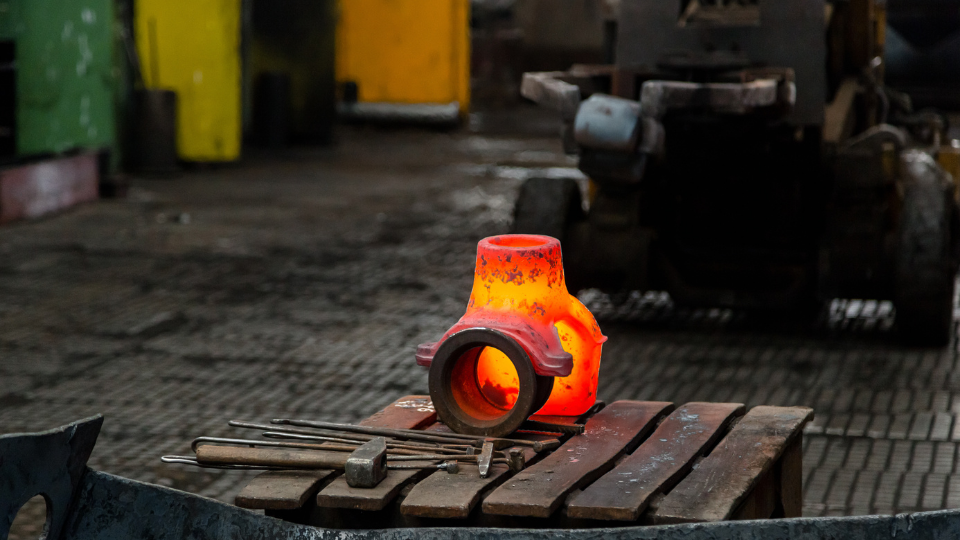
Before beginning a process in vacuum furnaces, the air in the chamber is evacuated as thoroughly as possible. Vacuum pumps are used for this purpose. Depending on the required vacuum level, various types of vacuum pumps can be incorporated into the furnace design; examples include mechanical pumps, Roots-type pumps, holding pumps, and diffusion pumps.
In a vacuum generation system, the pump combination required by the process is evaluated.
Managing and monitoring the vacuum level throughout the process is important.
Depending on the required vacuum depth, this is one of the pump options that can be included in the system design.
Graphite or molybdenum metal is used as resistance in vacuum furnaces. Various insulations and water cooling channels are used to protect the body of vacuum furnaces from heat.
Vacuum furnaces have varying cooling capacities depending on their design. These may be at gas cooling values such as 2-4-6-10-12 bar. Cooling pressure may vary depending on cooling speed, load to be cooled and part thickness. Nitrogen, argon, helium etc. are used as refrigerant gas. Inert gases such as can be used. At the same time, when necessary, some vacuum furnaces can perform heat treatment in the partial pressure atmospheres created by these inert gases.
Thermal treatments performed in vacuum furnaces are very diverse. Some of those; solution, aging, annealing, tempering, stress relieving and stabilization. A joining process called brazing can also be performed in vacuum furnaces.
The main purpose of heat treatment in vacuum furnaces is to protect the part surfaces from oxidation caused by oxygen. For this reason, the pressure is generally reduced to 10-2-10-6 mbar. This process may vary depending on the power of the vacuum pumps, the cleanliness of the working area (contamination such as moisture/oil etc.) and the size of the oven. The parts placed in the vacuum furnace come out without any visible oxidation on their surfaces after the process or with a slight color change if the vacuum level is not too low, and they can be used without any additional surface treatment.
Vacuum furnaces generally operate at medium (1000-10-3 mbar) and high vacuum (10-3-10-7 mbar). These values are measured by vacuum meters connected to the oven.
As a result, vacuum furnaces have an important place in major sectors such as aerospace, defense industry and automotive industry, as heat treatments carried out in atmospheric conditions and at high temperatures can create unwanted oxide layers on the surface of metals.
Contact Vizyon Heat for your vacuum furnace and heat treatment applications.
İsteğe bağlı kategoriler başlangıçta kapalıdır. Zorunlu çerezler temel site işlevleri için gereklidir. Tercihlerinizi her zaman değiştirebilirsiniz.